
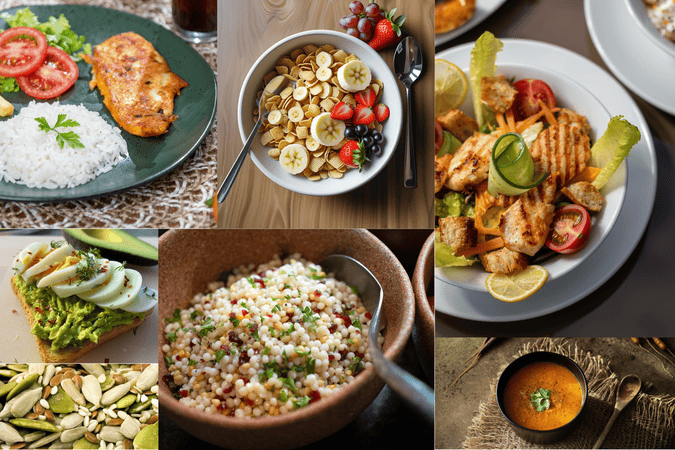
Ramadan is a beautiful time for reflection, discipline, and spiritual connection. But changes in meal timing can also affect your energy, digestion, and overall well-being. Many people swing between two extremes.
Either they overeat at Iftar or they unintentionally under-eat, which leads to fatigue, headaches, and low motivation for prayer or daily tasks.
Balanced eating during Ramadan is not about restriction. It is about fueling your body in a way that supports your worship, focus, and health. When you nourish your body properly, fasting actually feels easier.
Here is how you can do that.
Sehri Optimization: Build Long-Lasting Energy

Sehri (Suhoor) is your foundation for the entire fasting day. The goal is slow, steady energy release, not feeling full for a short time.
Focus on three things:
1. Protein: Eggs, Greek yogurt, cottage cheese, chicken, or lentils help prevent muscle breakdown and keep you satisfied longer.
2. Complex carbs: Oats, whole wheat roti, brown rice, or quinoa provide gradual energy instead of spikes and crashes.
3. Healthy fats: Nuts, seeds, peanut butter, or olive oil slow digestion and improve satiety.
A simple balanced plate could be: vegetable omelette+ whole wheat roti + yogurt + a few nuts.
Portion tip: Eat until you feel comfortably satisfied, not heavy. Overeating at Sehri can increase thirst and sluggishness during the day.
Hydration also matters. Drink water steadily between Iftar and Sehri instead of forcing large amounts at once.
Iftar Moderation and Smart Hydration
After a long fast, your body needs a gentle transition back to eating. Starting with very heavy or sugary foods can shock your system and cause bloating, sleepiness, or overeating later.
A better approach:
- Break your fast with 1–2 dates and water.
- Pray Maghrib or pause for 10 minutes.
- Then eat your main meal slowly.
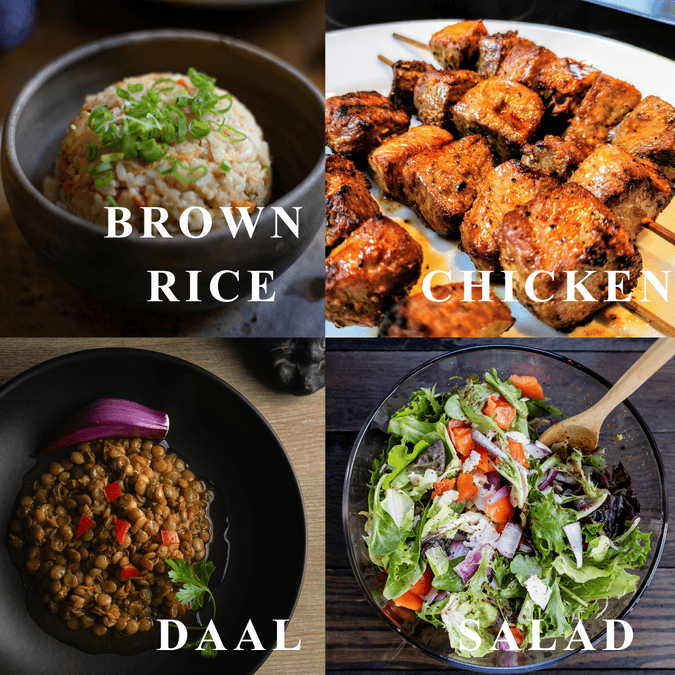
Your main meal should again include protein, fiber, and moderate carbs. Think grilled chicken or daal, vegetables, salad, and roti or rice.
Be mindful with fried foods and sugary drinks. They are fine occasionally, but daily intake can lead to fatigue and unwanted weight gain.
For hydration, aim for small amounts frequently. Coconut water, lemon water, or plain water are better choices than sugary sodas or packaged juices.

Post-Iftar Snacking Control
The time between Iftar and Sehri is where many people unintentionally consume excess calories. Snacking without paying attention, like while watching TV or getting things ready for the next day, can add up faster than you realize.
Helpful strategies:
- Decide your snacks in advance instead of eating randomly.
- Choose light, nourishing options like fruit with yogurt, a handful of nuts, or a smoothie with protein.
- Stop eating at least 1–2 hours before sleep to prevent acid reflux and poor sleep quality.
Remember, you don’t need to keep eating all the time. Your body actually does better when you have proper, planned meal times.
Ready to feel stronger, lighter, and more energized this Ramadan? Join Shape & Spirit and get expert guidance on workouts and nutrition designed for fasting. I’ll help you build healthy habits without overwhelm or restriction. Message now to start your Ramadan journey with the right support.
Focus on Nutrient-Dense Foods
Since meal frequency is reduced, food quality becomes more important.
Prioritize:
- Whole grains instead of refined flour
- Lean proteins instead of heavily fried meats
- Fruits and vegetables for vitamins and fiber
- Healthy fats in moderate amounts
Highly processed foods may taste good in the moment but often leave you feeling tired and hungry again soon.
Think of your meals as fuel for both your body and your ibadah.
A Client’s Experience
One of my clients used to feel exhausted every Ramadan. She would skip Sehri or just have tea and bread slices, then overeat fried foods at Iftar. By the second week, she felt weak and struggled with workouts and prayers.
Last year, we made small changes. She added protein at Sehri, started breaking her fast slowly, and replaced late-night snacks with fruit and yogurt. Within days, her energy improved.
She told me, “This is the first Ramadan I don’t feel drained. I actually feel calm and strong.”
That is the power of balanced nutrition.
Balanced eating in Ramadan helps your body adjust to the changed meal schedule and limited eating windows.
The right mix of protein, fiber, healthy fats, and good carbs keeps your energy steady and prevents fatigue.
It also supports digestion, metabolism, and muscle health while reducing the risk of overeating.
Proper nutrition improves sleep and physical comfort during fasting.
When your body feels nourished, it becomes easier to focus on worship and daily responsibilities.
Ramadan is not about perfection. It is about intention and consistency. When you nourish your body wisely, you support your spiritual goals, your health, and your peace of mind.
If you take care of your body, it will take care of you throughout the month.
You may also want to see our beginners guide on Ramadan Fitness Guide: Stay Strong, Energized & Healthy While Fasting!, Ramadan and Fitness: Keep Moving, Feel Better.
We hope that this article helped you learn Balanced Eating During Ramadan for Better Metabolism. You can follow us on Facebook and Instagram for more helpful content.